


Views: 0 Author: Site Editor Publish Time: 2025-11-03 Origin: Site


The core function of an oil filter is to remove metal shavings, dust, and other contaminants from engine oil, protecting internal engine components from wear and extending engine lifespan. A high-quality oil filter must feature high filtration precision, low flow resistance, excellent sealing performance, and a long service life. When selecting an oil filter, ensure compatibility with your vehicle's engine model to prevent poor filtration or oil leaks due to mismatched specifications. Prioritize genuine OEM parts or reputable brands (e.g., Mann+Hummel, Mahle). Inferior filters offer poor filtration, leading to impurity buildup and accelerated engine wear.
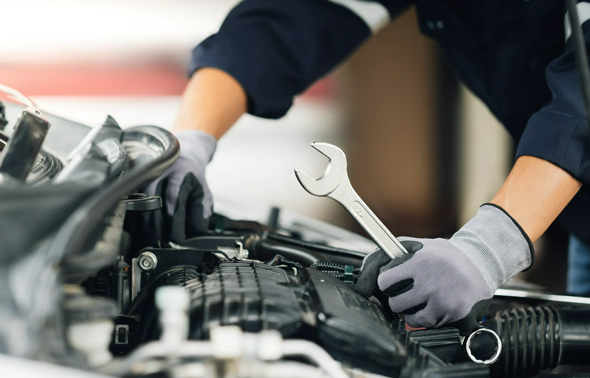
For replacement intervals, it is recommended to synchronize with oil changes—typically every 5,000–10,000 kilometers or 6 months (refer to the vehicle maintenance manual for specifics). Key replacement precautions include: applying a small amount of oil to the filter's sealing ring before installation to ensure a tight seal; tightening to the specified torque to prevent leaks from insufficient tightening or thread damage from over-tightening; and starting the engine after replacement to check for leaks. Additionally, shorten the replacement interval for vehicles frequently driven in dusty or congested conditions.


